Blog
How to Write a Speech for School
Hi PDA fam! It’s Student Coach Sherry again, and for this week’s blog, I’ll be talking about something that every student ends up doing at some point — whether for English class, student government elections, Model UN, or even a club presentation. What could this mystery task be? Writing a speech for school, of course!
For a lot of students, speechwriting feels intimidating because it might initially seem like you need dramatic vocabulary, perfect delivery, or a magical “talent for public speaking.” However, the truth is that good speeches aren’t complicated. They simply need to be clear, intentional, and written in a way that sounds like your own voice. Today, I’ll walk you through how to write a speech for school in a way that feels approachable and authentic—step by step.
Before you begin writing, the most important step is understanding the purpose of your speech. Every speech has a goal; for example, maybe you’re informing your classmates about a topic you researched, persuading them to vote for you for class president, or reflecting on a personal experience. Knowing the purpose of your speech helps shape important decisions you have to make that influence its overall reception, such as: your tone, structure, and even the specific examples you include in your content. In order to start creating an effective speech, you should spend a moment figuring out who your audience is, what you want to say to them, and why you are saying it. If you don’t, you can risk your speech ending up feeling unfocused. But, once you’re clear on what you want to say and why you’re saying it, your speech will naturally feel more grounded and organized.
After identifying the purpose of your speech, you should think about your hook, or how you’ll start your speech in a way that captivates your audience’s attention. To grab people’s interest, try starting with a short anecdote, a surprising fact, or even a rhetorical question! You shouldn’t be pressured to be overly dramatic or emotional; just focus on being intentional with how you start your speech. The goal of a hook is to give your audience something to think about and connect with right away, inviting them to ponder your topic before you dive into your own main points.
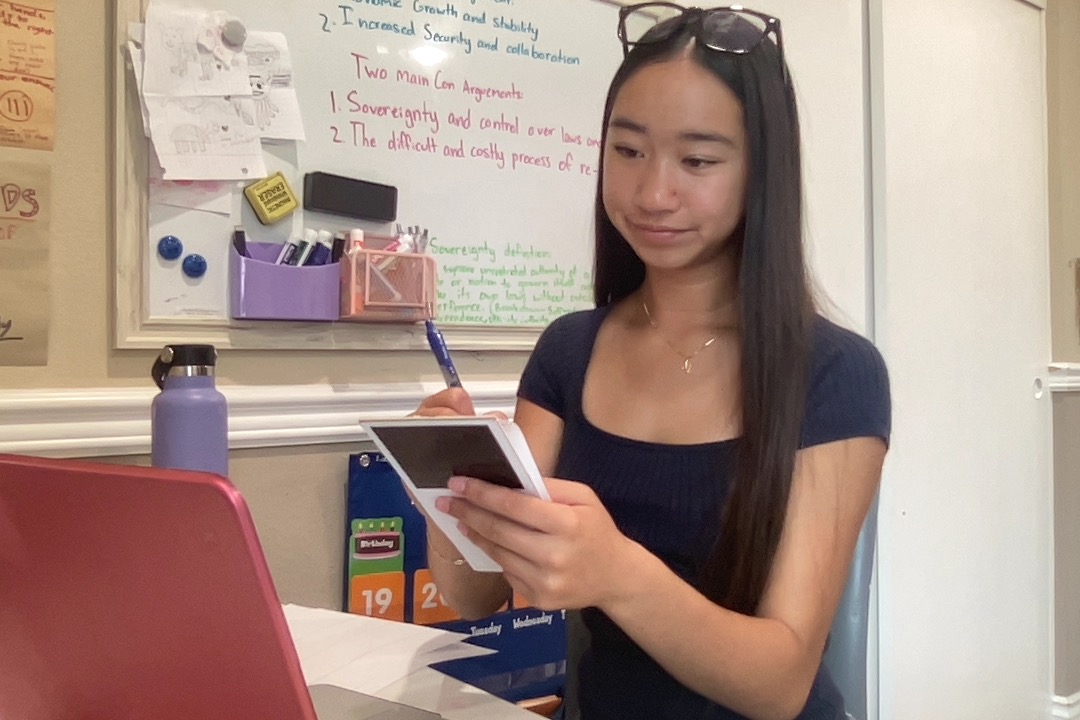
Once you have your hook written down, you can start developing the body of your speech, which should constitute the majority of your speech’s length. This is where you talk about your main ideas—so, keeping your body section simple is key. The best, most effective speeches typically revolve around two or three major ideas, not twenty! In order to start writing your body section, you should ask yourself what you want your audience to remember most, and build your speech around those ideas. Within your main points, you can use examples or stories that clarify your overall message. Don’t feel forced to use complicated language or long sentences, because speeches are the most effective when they sound natural and like your own voice! When revising your speech, one helpful trick is to read each section out loud to yourself, or even to a friend or family member. If it feels awkward to say, it’s probably awkward to hear! Let your real voice guide your speech-writing.
As you’re drafting your speech, don’t worry too much about making everything perfect on the first try. This process is about getting your thoughts down first, then clarifying them to produce a final draft. Sometimes it helps to write your ideas out casually first, as if in a journal or diary, and then later refine the tone of your writing to fit your specific audience. What matters is that your ideas flow smoothly together and that your audience can follow what you’re saying.
When you feel like you’re ready to wrap your speech up, focus on writing a strong conclusion. Instead of just suddenly “stopping,” it should remind your audience of why the message of your speech matters to them. You can circle back to your hook, or offer a final reflection. A good conclusion doesn’t need to be long or repetitive; it just needs to bring a sense of completion or closure, like tying a bow to put everything all together! If you’d like some examples, feel free to check out how my fellow bloggers and I write the conclusions to our blogs.
Finally, after your speech is written, the most important step is practicing it: even the best-written speeches can fall flat if you read too quickly or never look up from your paper. Try reading your speech aloud to yourself multiple times, marking places to naturally pause and making small adjustments as you go.
Writing a school speech doesn’t have to feel stressful or overwhelming. Following a few key steps can build your speechwriting as a skill you can use anywhere, from class presentations to leadership positions to everyday communication with others. I can’t wait to see the speeches you all create!